Organ Chip-Based Detection Technology – Part 4
As a new type of cell experiment tool, the organ chip integrates chip technology and chemical analysis technology, and forms a 3D organ model system in vitro based on different principles suchRead More…
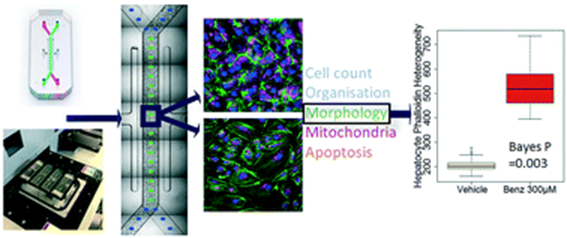
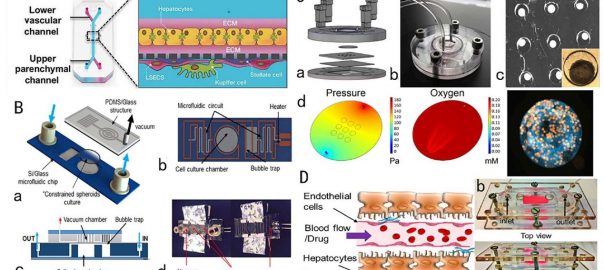
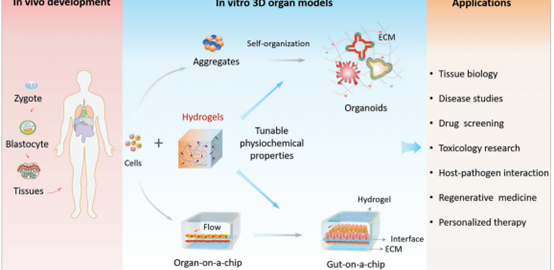
High-quality preclinical bioassay models are critical for drug development. Organ chips replace living organisms by bionically constructing micro-organs on microfluidic chips for drug evaluation and biological research. The organ-on-a-chip model can controlRead More…
With the continuous innovation and development of organ-on-a-chip technology, its applications in physiological research, drug screening, disease model establishment, environmental assessment, etc. are becoming more and more extensive, and the products areRead More…
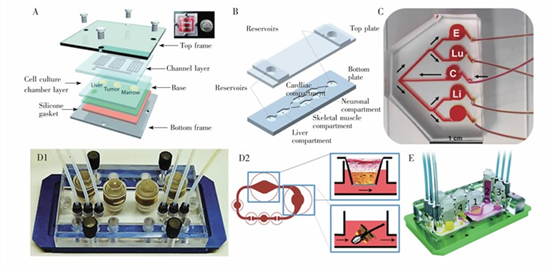
Organ chips can flexibly control microfluidics, cells, and their microenvironments through microfluidic chip systems, and build integrated microsystems on microfluidic chips aiming at simulating human tissue and organ functions. Biosafety assessment, asRead More…
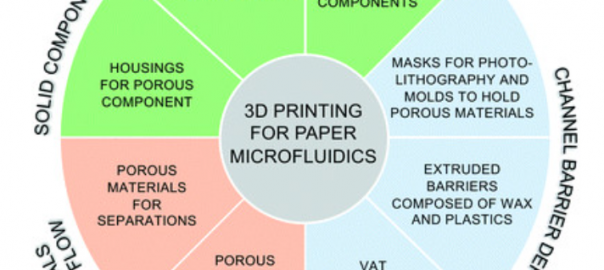
3D printing technology, a kind of rapid prototyping technology, is a method based on digital model files to construct objects by stacking and accumulating layer by layer (also known as the “laminationRead More…
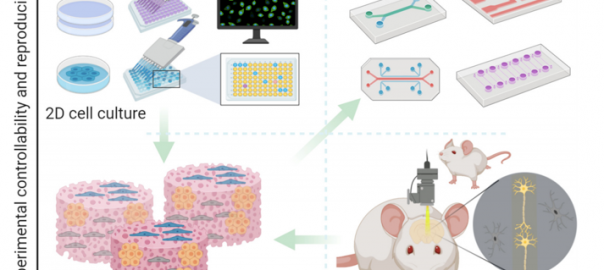
Organ-on-chips (OOC), also known as microphysiological systems or “tissue-on-chips”, have received increasing attention in recent years due to their potential to provide useful information during drug discovery and development. Organ-on-a-chip is broadlyRead More…
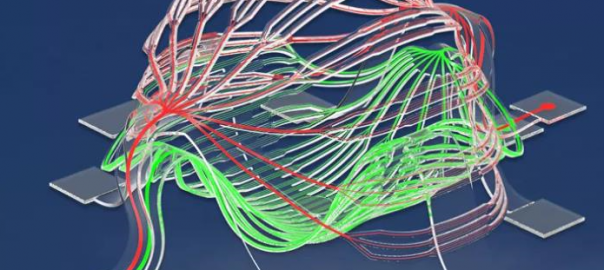
Recently, an article titled Complex 3D microfluidic architectures formed by mechanically guided compressive buckling was published on Science Advance and became the cover of the current issue. This research has takenRead More…
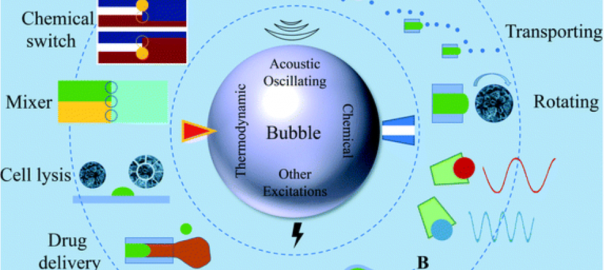
In recent decades, the integration of microfluidic devices and micro-scale multi-drive technology has greatly promoted progress in related fields. In particular, microbubbles play an increasingly important role in microfluidics because they haveRead More…
Nanomedicine involves the medical application of nanotechnology, utilizing nanoscale or nanostructured materials in medical applications such as biosensing/bioimaging, disease diagnosis, and drug delivery, etc. Compared to conventional drugs, nanomedicines offer potential enhancementsRead More…
Microfluidics refers to the science and technology involved in systems that use micropipes (tens to hundreds of microns in size) to process or manipulate tiny fluids. It is an emerging interdisciplinary involvingRead More…